Drift Patches / Styles
Custom 3D Patches
Custom 3D patches use raised construction to add dimension to a design. The term can describe sculpted PVC, molded rubber-style artwork or raised embroidery, so choosing the process is the first decision.
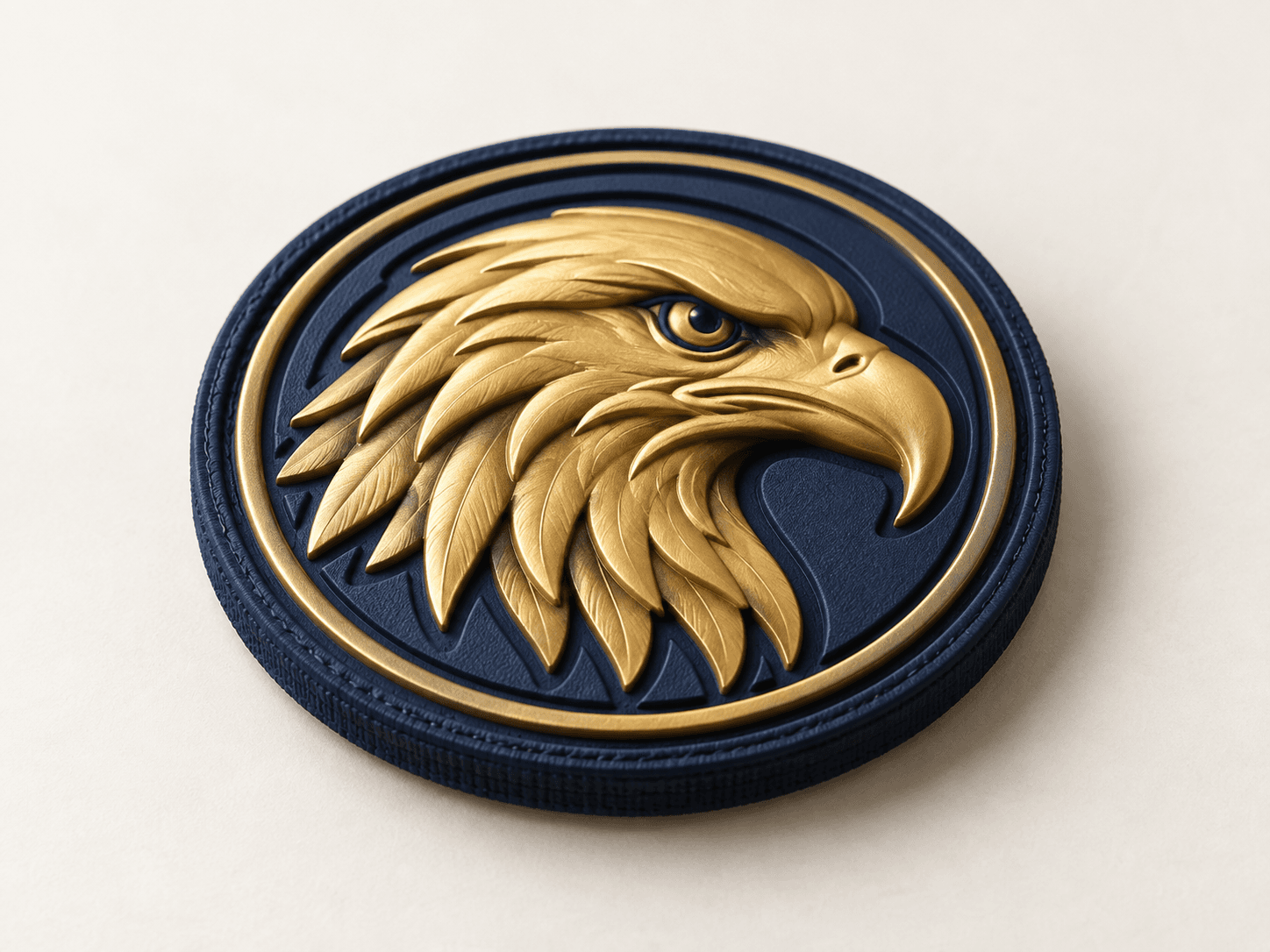
Raised embroidery or sculpted molding
3D embroidered patches build a raised thread appearance, while 3D PVC patches form relief in a mold. The same artwork will not look identical in both. Bold letters can suit raised embroidery; curved, sculpted surfaces may be better explored in molded material.
Make the height part of the design
Identify high and low areas rather than only providing a flat logo. Narrow strokes and very small spaces can limit the effect. Dimensional patches should remain recognizable from an angle as well as straight on, so a simple hierarchy of raised elements often works better than making everything equally prominent.
Balance thickness with placement
Raised logo patches can catch on nearby objects or feel bulky on lightweight clothing. Share the intended placement, flexibility needs and attachment method. Ask for the proposed overall thickness and review how it will sit on a curved hat or garment panel.
Questions about custom 3d patches
Is every PVC patch a 3D patch?
No. Molded designs may use flat levels or a sculpted surface. Specify the relief you want rather than relying on the material name.
Can small lettering be raised?
It depends on stroke width, spacing and construction. Send the final dimensions so the lettering can be reviewed realistically.
Related options for your project
Explore all patchesCustom PVC Patches
Design custom PVC patches with molded 2D or 3D detail. Compare backing, size, color separation and tooling requirements for your project.
Custom Embroidered Patches
Create custom embroidered patches with textured thread, tailored borders and backing options. Compare coverage, sizing and artwork before requesting a quote.
Custom Rubber Patches
Compare custom rubber patch materials before ordering. Understand PVC, silicone, molded detail and backing for clothing or tactical gear.
Custom Patches for Hats
Create custom patches for hats with the right size, material and attachment. Compare leather, embroidered and woven patches for cap panels.