Drift Patches / Materials
Custom Rubber Patches
Custom rubber patches is a common description for flexible molded badges, but it does not identify one specific material. Start here to compare PVC and silicone and choose the construction that fits your project.
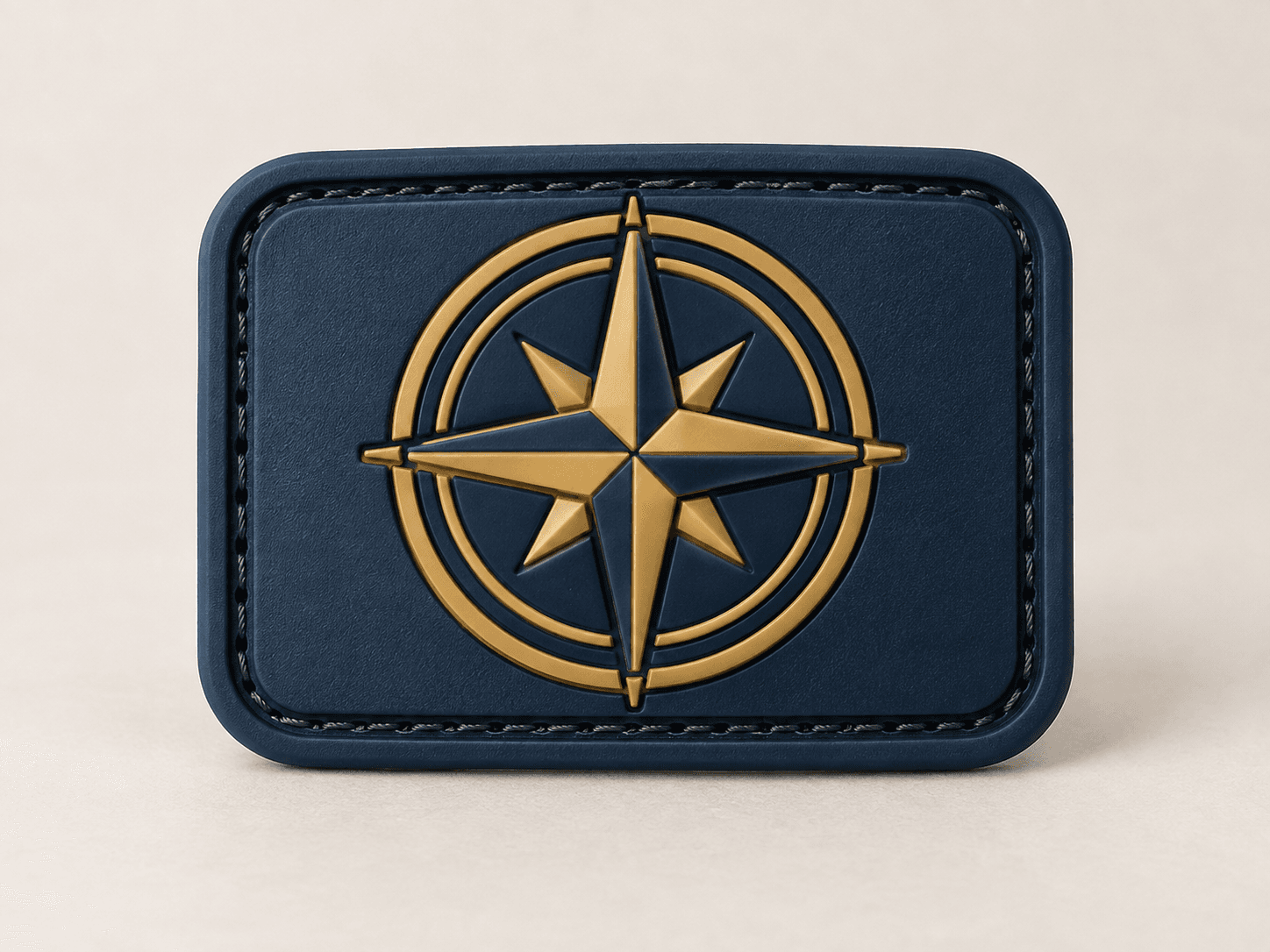
Identify the material behind the name
PVC rubber patches use PVC; silicone patches use a different polymer. They can share a flexible appearance while differing in feel and production requirements. If you are replacing an existing badge, send a sample or material specification rather than assuming that a photograph identifies its composition.
Design molded logo detail
Custom rubber logo patches use separate color areas, raised surfaces or recessed features to define the artwork. A 3D rubber patch needs a clear brief for its relief. Open up small gaps and specify the thickness or flexibility requirements of the application before tooling is agreed.
Match clothing and tactical attachments
Rubber clothing patches should suit the weight and movement of the garment. Rubber tactical patches often need a removable backing sized to an existing panel. Discuss the full assembly for waterproof applications, since the backing and attachment may have different limitations from the molded face.
Questions about custom rubber patches
Should I order from this page or the PVC page?
If you already know you need PVC, use the PVC product page. This comparison helps when the material is undecided or an existing specification only says rubber.
Can I send an existing molded patch as a reference?
Yes. Include its dimensions, desired quantity and any known material information so the construction can be discussed accurately.
Related options for your project
Explore all patchesCustom PVC Patches
Design custom PVC patches with molded 2D or 3D detail. Compare backing, size, color separation and tooling requirements for your project.
Custom Silicone Patches
Create custom silicone patches for flexible logo branding. Compare relief, colors, attachment and garment requirements before approving your design.
Custom 3D Patches
Compare custom 3D patches in raised embroidery and molded materials. Plan relief, lettering and thickness for dimensional logo designs.
Custom Velcro Patches
Plan custom Velcro patches for uniforms, name panels and tactical gear. Compare hook and loop attachment, panel sizes and compatible patch materials.